
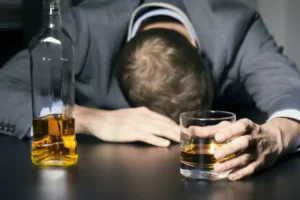
In some cases, alcohol-induced bruising can be a sign of more severe underlying issues related to alcohol abuse or chronic health conditions. It’s essential to address any concerns with a healthcare professional. Even moderate alcohol consumption can contribute to bruising, although heavy drinkers may be at a higher risk due to more significant impacts on blood clotting and vitamin deficiencies. Something people might notice with ongoing, severe alcohol misuse is bruising from alcohol. Learn the answer, as well as how to get help with medication assisted treatment for alcohol use, below.
Contact Vertava Health Now
Finally, a person with an alcohol use disorder will likely give up other activities, because their focus is on drinking. To allow the liver to heal and the risk of bruising to drop, you must stop drinking altogether. Ensuring that you do not drink at this level could be a wise way to limit your risk of unusual bruising. If you already have unusual bruising, your liver could already be damaged, and that could mean that drinking at any level is not wise for you.
- Beyond clinical practice, he’s an advocate for community awareness and early intervention in addiction prevention.
- If you catch liver damage in its earlier stages, it may be reversible with treatment and lifestyle changes.
- Although everything we have covered can be severe, skin cancer should be taken very seriously.
- Additionally, you may not remember bruising after drinking, as alcohol also affects memory.
- Spirits, with higher alcohol content, significantly impact liver function and clotting mechanisms.
- Understanding how alcohol affects our bodies is key to grasping its role in bruising.
Coping Strategies for Bruising Related to Alcohol Consumption
This is called ‘alcohol flush reaction’ and it happens when your body is unable to fully digest all the alcohol you’ve consumed. This means that the toxins alcoholic bruising in alcohol, including acetaldehyde, can build up in your body. In the long-term, these vessels can over-dilate, leading to spider veins on the skin. Alcohol’s effects on skin can be quite visible not long after drinking. According to the National Library of Medicine, a bruise is a mark under the skin, usually painful and swollen, that occurs because of blood trapped beneath the skin’s surface.
How Alcohol Could Increase Your Risk for Dementia and Alzheimer’s
Taking minor precautions can drastically reduce bruising after drinking. Hydration will make your skin elastic and blood vessels strong, reducing the chances of bruising due to alcohol. And since alcohol is a diuretic, you’ll probably visit the bathroom more frequently at night, which can significantly hinder sleep. Research studies on the association between weight gain and alcohol consumption have ended in conflicting results.
Here are three aspects of your brain that are affected by alcohol and why that can contribute to morning-after bruises. They have experienced no trauma, and the bruises they have are large and appear frequently. According to BMJ Best Practice, surveys suggest that somewhere between 12 percent and 55 percent of people have some form of easy bruising. If you experience frequent or unexplained bruising due to alcohol consumption, it is advisable to see a doctor. They can assess your overall health, evaluate potential underlying causes, and recommend appropriate treatment or lifestyle changes. Yes, alcohol can cause skin discoloration in the form of bruises or broken blood vessels.
Medical Professionals
Let’s explore this question and delve into the relationship between alcohol and bruising. Sunnyside is the leading alcohol health platform focused on moderation and mindfulness, not sobriety. On average, members see a 30% reduction in alcohol consumption in 3 months, leading to improved sleep, diet, and overall wellbeing. While there is no direct relationship between alcohol and hair loss, heavy drinking may lead to other issues that thin out your locks. Well, alcohol intake may lead to night sweats by speeding up your heart rate and widening your blood vessels, triggering the release of perspiration. Alcohol suppresses rapid eye movement, or REM sleep, which is an essential restorative stage of sleep your body requires.
- We discuss the impact of bruising on different ingredients, when bruising is acceptable and debunk some common misconceptions.
- In addition, alcohol is dehydrating and can lead to hair thinning and hair loss.
- However, medical professionals may suspect alcohol-induced liver disease in anyone who consumes a significant amount of alcohol regularly.
- The bruises may also appear in unusual patterns or locations, such as on the trunk or back, where major impacts are less likely.
Alcohol impairs your cerebellum, the part of your brain that’s responsible for coordinating your movements, Swartzwelder says. Plus, you’re more susceptible to an accidental fall or bump after you’ve been drinking, anyway. Learn about doxepin for sleep, including recommended dosages, how it works, and safety considerations. Get insights into proper usage and side effects for effective sleep management.
- The liver is an integral part of the body, filtering blood, detoxifying chemicals, and metabolizing drugs.
- Continuing to drink, even when it causes health problems, is a sign of an alcohol use disorder.
- This condition makes it more difficult for the body to stop bleeding effectively after an injury, resulting in easy bruising even from minor trauma.
Effects of Alcohol on Blood Vessels
Understanding these connections empowers individuals not only to make informed choices about their drinking habits but also encourages them toward healthier lifestyles overall. Bruising occurs when small blood vessels under the skin break, allowing blood to leak into the surrounding tissue. While many factors can lead to alcohol rehab bruising, alcohol consumption is often overlooked as a potential contributor. Understanding how alcohol affects our bodies is key to grasping its role in bruising.
No, the likelihood of bruising is related to the amount of alcohol consumed rather than the type of beverage. Use the patches for three to six months for permanent, life-long change. Over time Dermaclara can permanently clear away the dark circles, the red, irritated skin, the rough, dry patches, and the deep wrinkles. Bruising from alcohol is a negative side effect but reasonably normal and should clear in three to four days. These tests help doctors understand how well your liver is functioning and whether any treatment plans are necessary.
Individuals with advanced fatty liver disease may face similar risks regarding clotting factor production and bruising. Bruises are a common occurrence that results from an injury or trauma to the skin, causing discoloration due to blood vessels breaking under the skin. Many factors can contribute to the development of bruises, including age, medications, and genetics. One common question that arises is whether alcohol consumption can cause bruising.
Recent Comments